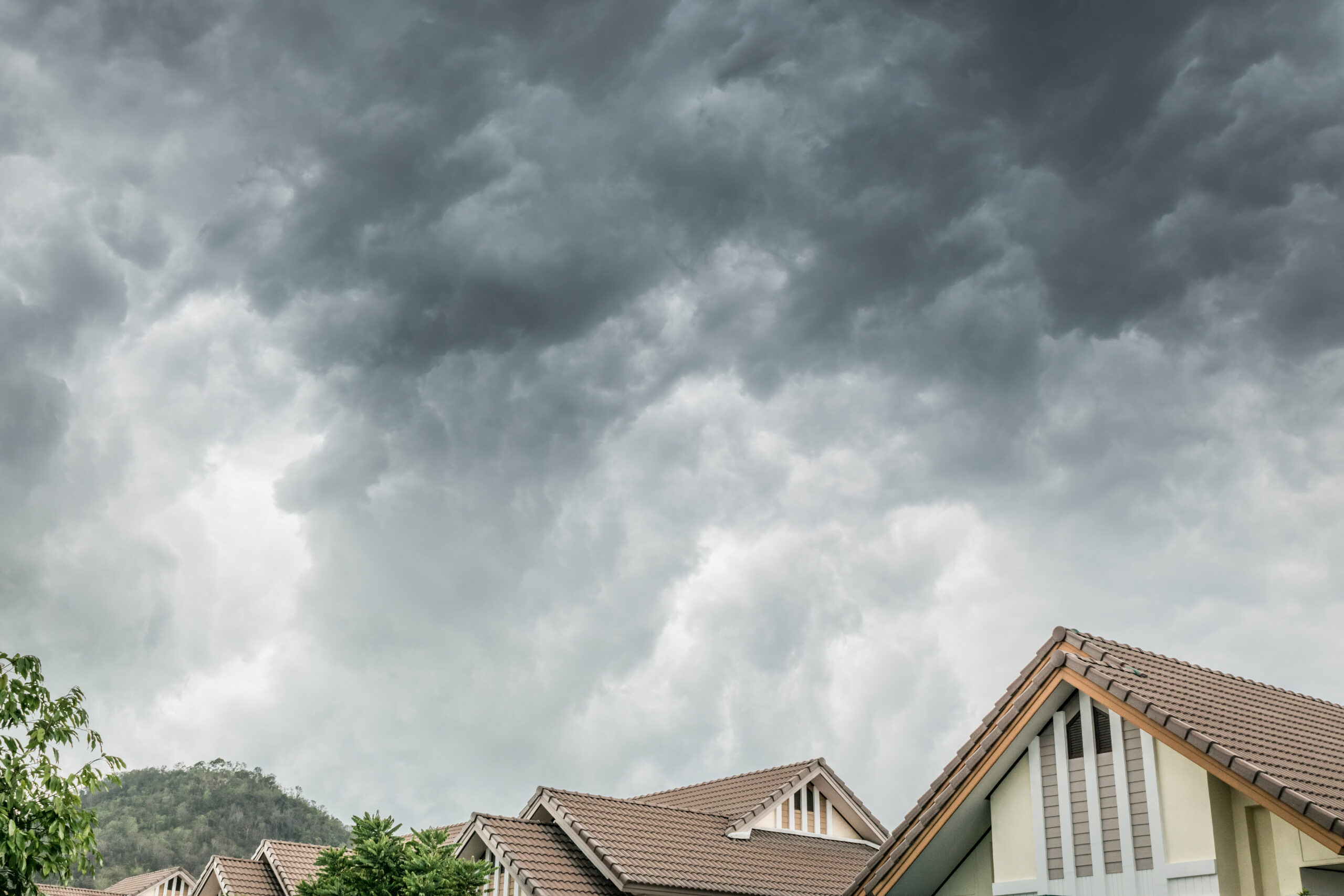
Your roof faces changing weather conditions throughout the year, from heavy rainfall and strong winds to freezing temperatures and summer sunshine. Although roofing materials are designed to withstand the elements, repeated exposure can gradually affect their condition and performance.
Understanding how weather conditions affect your roof over time can help you recognise early warning signs, prevent avoidable damage and make informed decisions about maintenance and repairs. In this guide, we’ll explain how different weather conditions affect roofing materials, what influences a roof’s lifespan and how to protect your property from weather-related damage.
How Does Weather Affect Your Roof’s Lifespan?
Weather affects your roof through repeated exposure to moisture, wind pressure, temperature changes and sunlight. Over time, these conditions can weaken fixings, damage roof coverings and expose existing waterproofing defects.
Common weather-related roofing problems include:
- Cracked or displaced roof tiles and slates
- Damaged lead flashing
- Water entering through vulnerable roof junctions
- Blocked gutters and drainage outlets
- Deteriorating flat roof coverings
- Loose mortar around ridge tiles
However, weather exposure alone doesn’t determine how long a roof will last. The quality of the installation, type of roofing material, property exposure and maintenance history all influence its lifespan.
Our expert advice: A well-maintained older roof can sometimes remain in better condition than a newer roof with installation or drainage problems. The condition of the complete roofing system matters more than age alone.
5 Weather Conditions That Can Damage Your Roof Over Time
Different weather conditions affect roofing materials in different ways. Understanding these effects can help you identify potential problems before they develop into more extensive damage.
1. Heavy Rainfall Can Expose Existing Roofing Weaknesses
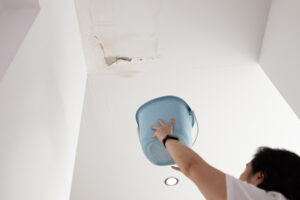
Heavy rainfall can reveal existing roofing defects, allowing water to enter through cracked tiles, slipped slates, damaged flashing or deteriorating flat roof joints. Blocked drainage can also cause water to accumulate around vulnerable areas. Water may travel beneath roofing materials before appearing as a damp patch indoors, meaning the visible leak isn’t always directly below the damage.
Our expert advice: If you notice ceiling stains after heavy rainfall, arrange an inspection to identify the source rather than simply treating the visible damage.
For further guidance, read our article on why your roof might be leaking.
2. Strong Winds Can Loosen Tiles, Slates And Flashing
Strong winds can displace roof tiles, loosen slates and lift lead flashing, particularly where fixings or mortar have deteriorated. Falling branches and airborne debris can also damage roof coverings. Not all wind damage is immediately obvious. Even slightly displaced materials can create gaps that allow rainwater beneath the roof covering.
Our expert advice: After strong winds, check for missing tiles, uneven rooflines or fallen debris from ground level. Arrange a professional assessment if you notice damage.
Learn more about what causes roof tiles to slip.
3. Frost Can Worsen Existing Cracks And Weaknesses
When moisture enters cracks or porous roofing materials and freezes, it expands. Repeated freezing and thawing can gradually worsen existing damage, particularly in older or deteriorating tiles and mortar. This can lead to larger cracks, weakened roof junctions and water ingress when temperatures rise.
Our expert advice: If leaks appear after freezing weather, arrange an inspection to identify whether frost has worsened an existing defect.
4. Summer Heat And Sunlight Can Accelerate Material Wear
Prolonged sunshine and temperature changes cause roofing materials to expand and contract. Over time, this movement can place stress on joints, flashing and already weakened roof coverings. UV exposure can also contribute to the deterioration of certain waterproofing materials, particularly where protective surfaces have worn away.
Choosing suitable roofing materials and ensuring correct installation helps minimise weather-related deterioration.
5. Severe Storms Can Cause Multiple Roofing Problems
Severe storms combine strong winds, heavy rainfall and flying debris, increasing the risk of roofing damage. Displaced tiles, damaged flashing and blocked drainage can allow water to enter vulnerable areas. Following a storm, check for missing materials, overflowing gutters, new leaks or loose roofing components.
Our expert advice: Never climb onto your roof to investigate storm damage. If you notice visible changes or water ingress, arrange a professional assessment.
How Do Different Roofing Materials Respond To UK Weather?
Different roofing systems respond to weather exposure in different ways. Understanding these differences can help you recognise potential weaknesses and maintain your roof appropriately.
Mastic Asphalt And Flat Roofing
Mastic asphalt provides a seamless waterproofing surface, making it suitable for many flat roofing applications. However, effective drainage and correct detailing remain essential for long-term performance.
Blocked outlets, persistent standing water and damage around roof edges can create problems if left unresolved. While professionally installed mastic asphalt is designed for durability, developing defects should be assessed and repaired using compatible materials.
Find out more about our specialist asphalt roofing services.
Slate Roofing
Natural slate is valued for its durability and long service life. However, individual slates can become displaced when their fixings deteriorate, particularly during strong winds.
Flashing and roof junctions also require attention, especially on older properties. An ageing slate roof doesn’t automatically need replacing, and targeted repairs may be appropriate where the surrounding materials remain sound.
Tile Roofing
Clay and concrete tiles provide effective weather protection when correctly installed. Over time, individual tiles may crack, loosen or become damaged by storms and repeated temperature changes.
Deteriorating fixings and mortar can also affect how securely tiles remain in place. If several tiles begin slipping or cracking, the underlying cause should be investigated rather than simply replacing individual tiles repeatedly.
What Are The Warning Signs Of Weather-Related Roof Damage?
Weather damage isn’t always immediately visible. Some problems develop gradually before becoming noticeable indoors, so recognising early warning signs can help prevent more extensive deterioration.
Common warning signs include:
- Missing, cracked or displaced tiles
- Loose or damaged slates
- Crumbling ridge mortar
- Lifted or damaged flashing
- Water stains on ceilings or walls
- Recurring leaks after rainfall
- Overflowing gutters
- Persistent standing water on flat roofs
- Visible sagging or unusual roof movement
These warning signs don’t automatically mean your roof needs replacing. A small amount of localised damage may only require a targeted repair, provided the surrounding roofing materials remain in good condition.
However, repeated leaks, widespread deterioration or structural movement require professional attention. If you’re unsure whether repairs will be sufficient, read our guide to roof repair or replacement.
How Can You Protect Your Roof From Weather Damage?
You cannot prevent exposure to British weather, but appropriate maintenance can help reduce avoidable deterioration and preserve your roof’s long-term performance.
Check For Visible Damage After Severe Weather
Look for missing tiles, displaced slates and damaged flashing from a safe position at ground level. If you notice anything unusual, arrange a professional inspection rather than attempting roof access yourself.
Keep Gutters And Drainage Outlets Clear
Blocked drainage can cause rainwater to overflow or remain on flat roof surfaces. Arrange professional clearance where ladders or roof access are required, particularly during autumn when leaves and debris accumulate.
Address Small Defects Promptly
A cracked tile or loose section of flashing may be relatively straightforward to repair when identified early. Leaving defects unresolved can allow moisture to affect materials beneath the roof covering, potentially leading to more extensive repairs.
Avoid Unsuitable Temporary Repairs
Applying sealants without understanding the cause of a leak can conceal underlying defects. Different roofing systems require appropriate repair techniques and compatible materials, so identifying the source of the problem is essential.
Our expert advice: Effective maintenance is about identifying the cause of a problem and choosing a suitable repair, rather than repeatedly patching visible damage.
Which Seasons Put The Most Pressure On Your Roof?
Every season brings different roofing considerations, with changing temperatures, rainfall and wind influencing the condition of roofing materials throughout the year.
| Season | Common Weather Effects | What To Watch For |
| Spring | Rainfall and changing temperatures | Winter damage, loose tiles and leaks |
| Summer | Sunshine and heat | Material movement and deteriorating joints |
| Autumn | Wind, rain and falling leaves | Blocked gutters and displaced materials |
| Winter | Frost, storms and freezing temperatures | Cracked tiles, damaged flashing and water ingress |
No single season is automatically the most damaging. An exposed pitched roof may be more vulnerable during high winds, while a flat roof with drainage problems may experience greater difficulties during prolonged rainfall.
For many homeowners, visual checks twice a year and following significant storms are a useful starting point for identifying potential problems.
Frequently Asked Questions
Can Heavy Rain Shorten The Lifespan Of A Roof?
Heavy rain can contribute to deterioration when water enters through damaged materials, flashing or roof junctions. However, a properly installed and maintained roof should manage normal rainfall effectively.
Does Hot Weather Cause Roof Tiles To Crack?
Temperature changes can contribute to material movement and worsen existing weaknesses. However, cracked tiles may also result from age, frost, impact damage or installation problems.
Can Strong Winds Damage A Roof Without Removing Tiles?
Yes. Strong winds can partially displace tiles, loosen slates or lift flashing without removing them completely. These changes may leave vulnerable areas exposed to rainwater.
Are Flat Roofs More Vulnerable To Weather Damage?
Not necessarily. A correctly installed flat roof can provide reliable weather protection. However, drainage and waterproofing details are particularly important, so blocked outlets or damaged joints should be investigated.
Does Climate Affect How Long A Roof Lasts?
Yes. Rainfall, wind, sunlight and temperature changes all influence roofing materials over time. However, installation quality, material selection and maintenance also play important roles in determining a roof’s lifespan.
Protect Your Roof From Changing Weather Conditions
British weather places continuous demands on roofing systems. Heavy rain, strong winds, frost and summer heat can gradually affect roofing materials, particularly where existing weaknesses are present. However, weather exposure doesn’t automatically mean your roof needs replacing.
Recognising early warning signs, maintaining effective drainage and arranging appropriate repairs can help preserve your roof’s condition and prevent avoidable damage.
At Barringtons Asphalt Roofing & Build, we work with mastic asphalt, flat, slate and tile roofing systems across Hornsey and North London. Whether you’ve noticed weather-related damage, recurring leaks or deterioration in your existing roof, we’re happy to discuss the most suitable next steps.
If you’re concerned about how changing weather conditions are affecting your roof, contact our Hornsey roofing team for practical advice and to request a free quote.