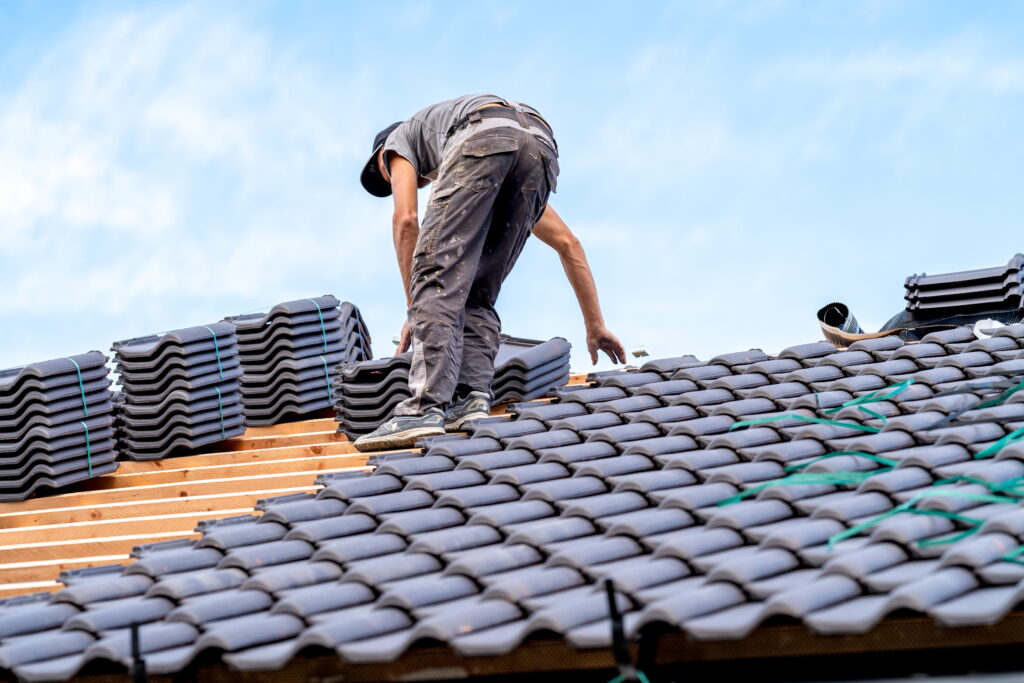
When something goes wrong with your roof, one of the hardest questions is whether you need a roof repair or a complete roof replacement. A leak does not automatically mean you need a new roof, but repeatedly repairing a roof that is already failing can become a false economy.
The decision usually comes down to four things: how widespread the damage is, the condition of the roof beneath the visible covering, whether problems keep returning, and how much useful life the existing roof has left.
Here is how an experienced roofer looks at that decision, and what you can check before arranging an inspection.
Across North London, particularly in areas like Hornsey, Crouch End, and Muswell Hill, mastic asphalt is commonly used on flat roofs, extensions, and balconies. Its reputation comes from decades of proven performance in the UK climate.
In this guide, we break down how it works, where it performs best, and what you should consider before choosing it for your project.
The Expert Answer: When Is Repair Enough And When Is Replacement Better?
A roof repair is normally appropriate when the problem is isolated and the rest of the roofing system remains sound. Examples include a small number of slipped slates, cracked tiles, localised flashing failure or a clearly identifiable leak.
A roof replacement becomes more appropriate when deterioration is widespread, the underlying roof structure or covering has reached the end of its serviceable life, or repairs are becoming frequent.
The important point is that the decision should be based on the condition of the whole roof, not simply the most obvious symptom.
What Signs Usually Point Towards A Roof Repair?
Roof repairs make sense when you can solve the cause of the problem without disturbing large areas of otherwise serviceable roofing.
Typical examples include:
- A few cracked, slipped or missing tiles or slates
- Localised storm damage
- A small leak around flashing, a chimney or another roof junction
- An isolated problem with an asphalt or flat roof covering
- Minor defects identified early during an inspection
- Damage affecting one particular section while surrounding materials remain sound
One mistake homeowners sometimes make is assuming that any water stain means the entire roof has failed. Water can travel before it becomes visible internally, so the damp patch on your ceiling may be some distance from the original entry point.
That is why identifying the cause of the leak matters more than simply treating where the water appears indoors.
What Signs Suggest A Roof Replacement May Be Needed?
Replacement should enter the conversation when the roof has multiple problems rather than one repairable defect.
Damage Is Appearing Across Large Areas
One broken tile can usually be replaced. Large numbers of cracked, loose or deteriorating tiles are different.
The same principle applies to slate and flat roofs. Widespread deterioration often indicates that individual repairs will only deal with symptoms while the wider roofing system continues to decline.
Leaks Keep Coming Back
A recurring leak is worth investigating properly.
If the same area has been repaired several times, there may be an underlying problem with the covering, flashing, drainage, detailing or roof deck that a surface repair cannot resolve.
Repeatedly patching an ageing roof can eventually cost more without providing the certainty of addressing the underlying cause.
The Roof Structure Shows Signs Of Movement
A noticeably sagging or uneven roofline requires professional attention.
The problem may involve the supporting structure rather than simply the external roof covering. This is not something that can be reliably diagnosed from ground level, and it may require further structural assessment.
There Is Widespread Deterioration Beneath The Covering
What you see from outside is only one part of a roof.
Roofers may also need to consider battens, decking, underlay, fixings, insulation, ventilation and supporting timbers depending on the roof construction.
If removing a damaged section reveals extensive deterioration underneath, what initially looked like a small repair can become a much larger project.
Does The Age Of The Roof Decide Whether It Needs Replacing?
Age is useful context, but age alone should not decide whether a roof is replaced.
Different materials have very different potential lifespans. Installation quality, exposure, maintenance and previous repair work also make a considerable difference.
For example, a well-maintained natural slate roof can remain serviceable for generations, while another roof may develop significant problems much earlier because of installation defects or deterioration elsewhere in the system.
Rather than asking only, “How old is my roof?”, ask:
“What condition is the roof in, and can the existing system still perform reliably?”
That produces a much more useful answer.
What Should A Roofer Check Before Recommending Replacement?
A good assessment should look beyond the obvious damaged tile or damp patch.
Depending on the roof type and accessibility, this may include:
- The overall condition of tiles, slates, asphalt or other coverings
- Flashings and roof junctions
- Valleys, verges, ridges and edges
- Gutters, outlets and drainage
- Signs of ponding on flat roofs
- The condition of accessible roof timbers or decking
- Evidence of moisture ingress internally
- Previous repairs and whether they are failing
- Ventilation and insulation considerations where relevant
Drainage deserves particular attention on flat roofs. The National Federation of Roofing Contractors’ maintenance guidance recommends checking outlets and drainage points and looking for signs such as ponding, cracking and blistering.
Is It Better To Keep Repairing An Older Roof?
Sometimes, yes.
If an older roof remains fundamentally sound and develops an isolated defect, repairing it can be perfectly sensible. Replacing a serviceable roof simply because of its age may be unnecessary.
The calculation changes when faults become increasingly frequent.
If you are paying to repair one area this year, another next year and another shortly afterwards, ask the roofer to assess the remaining roof as a complete system. That gives you a better basis for comparing continued repairs with planned replacement.
What About Building Regulations When Replacing A Roof?
A larger roof replacement involves considerations beyond simply removing old materials and installing new ones.
Planning Portal guidance for England states that re-roofing will require Building Regulations approval in many circumstances. Requirements can also arise when substantial areas are affected, structural alterations are involved or a replacement covering significantly changes the roof’s weight. Energy-efficiency requirements may also apply when roof thermal elements are renovated.
This is another reason to establish the scope of work properly before committing to a replacement.
Questions To Ask Before Agreeing To A New Roof
If replacement is recommended, do not be afraid to ask why.
Useful questions include:
- Which parts of the roof have failed?
- Is the damage localised or widespread?
- What condition are the underlying materials in?
- Could a repair provide a reliable long-term solution?
- What is likely to happen if I repair rather than replace?
- Are there photographs showing areas I cannot safely see?
- Will the proposed work have Building Regulations implications?
A trustworthy assessment should leave you understanding why the recommendation has been made.
Frequently Asked Questions About Roof Repair And Replacement
Does A Leaking Roof Always Need Replacing?
No. Many leaks result from localised problems that can be repaired. The important step is identifying the source and checking whether the surrounding roof remains sound.
Can You Repair Only Part Of A Roof?
Yes, where deterioration is confined to a particular area and the remaining roof is in suitable condition. Whether a partial repair is appropriate depends on the roofing material and the cause of the damage.
Should I Replace My Roof If Several Tiles Are Missing?
Not necessarily. A roofer should assess why the tiles have failed and the condition of surrounding materials before recommending replacement.
Can A Flat Roof Be Repaired Instead Of Replaced?
Often it can. Localised defects, failed joints or damaged sections may be repairable. More widespread blistering, repeated leaks, deteriorated decking or extensive covering failure can make replacement the more practical option. Barringtons provides more information about flat roofing.
Still Unsure Whether Your Roof Needs Repairing Or Replacing?
You should not have to decide based on guesswork.
If the problem is isolated, a professional repair may give you many more years from the existing roof. If deterioration is widespread, understanding that early can help you avoid spending repeatedly on short-term repairs.
Barringtons Asphalt Roofing & Build brings more than 40 years of roofing experience to assessments involving asphalt, flat, slate and tile roofs. If you need a clearer picture of your roof’s condition, explore our roofing services or get in touch for advice and a quotation.