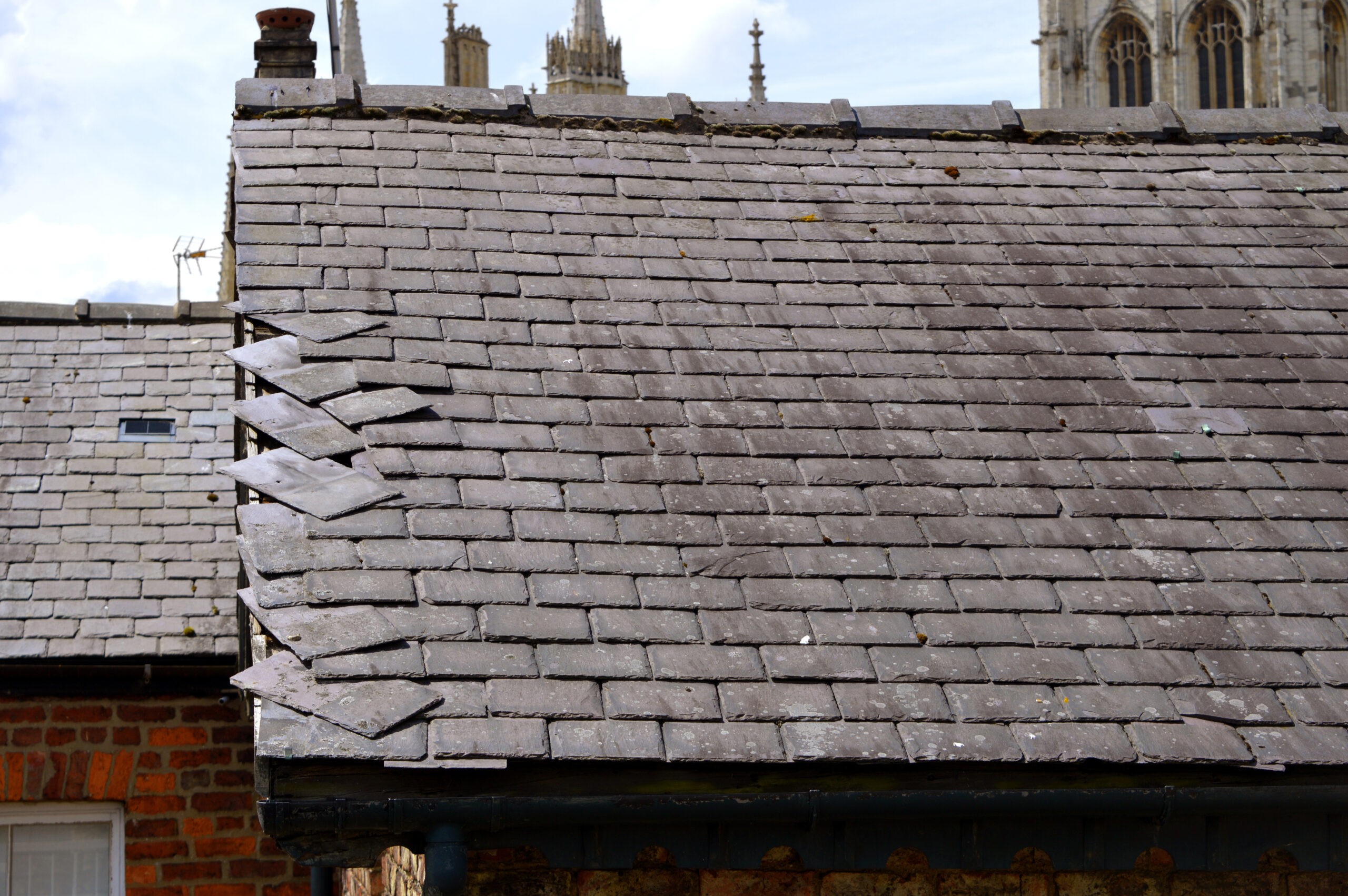
A slipped roof tile might not seem like a major problem, but it can quickly leave your roof vulnerable to water ingress, further tile movement, and damage to the roof structure beneath. Understanding why roof tiles slip can help you spot problems early and avoid more extensive repairs.
In this guide, we’ll explain the most common causes of roof tiles slipping, the warning signs to watch for, and what you should do if you notice loose or missing tiles.
Why Do Roof Tiles Slip? A Quick Expert Answer
Roof tiles usually slip because something that holds them in place has failed. This may be due to ageing fixings, storm damage, poor installation, natural wear over time, or deterioration of the roof structure itself.
While a single slipped tile may appear minor, it often indicates an underlying issue that should be investigated before more tiles become displaced.
The Most Common Causes of Roof Tiles Slipping
Ageing Nail Fixings
One of the most common reasons for roof tiles slipping is the gradual failure of the nails securing them.
Older roofs often used galvanised steel nails, which can corrode over time. As the nails weaken, they may snap or pull away, allowing the tile to slide from its original position.
This is particularly common on older properties where the roof has been exposed to decades of changing weather conditions.
Storm Damage And High Winds
Strong winds place significant pressure on roof coverings. If tiles have already loosened through age or previous movement, severe weather can dislodge them completely.
Even if no tiles have fallen, high winds may slightly shift them out of alignment. These small movements are easy to miss from ground level but can eventually allow rainwater beneath the roof covering.
It’s good practice to visually inspect your roof after periods of severe weather if it is safe to do so.
Poor Installation
A roof is only as reliable as the quality of its installation.
Incorrect fixing methods, inadequate tile overlap, or unsuitable materials can all increase the likelihood of tiles slipping prematurely. In some cases, problems may not become apparent until several years after the roof was installed.
Professional installation helps ensure the roof performs as intended throughout its expected lifespan.
Deteriorating Mortar
On many older roofs, mortar is used to secure ridge tiles, hip tiles and some verge details.
As mortar ages, it becomes brittle and begins to crack. Once this happens, tiles lose support and can become loose, particularly after heavy rain or freezing weather.
Crumbling mortar should never be ignored, as it often affects several areas of the roof rather than a single tile.
Roof Movement Over Time
Buildings naturally expand and contract as temperatures change throughout the year.
Over many years, this movement can place stress on fixings and roof materials, gradually allowing tiles to shift. While this process is usually slow, it contributes to general wear and may become more noticeable as the roof ages.
How Can You Tell If Roof Tiles Have Slipped?
Not every slipped tile is immediately obvious from the ground, but there are several warning signs that suggest your roof may need attention.
These include:
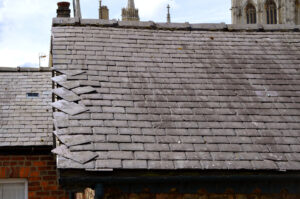
- Gaps or uneven lines across the roof
- Tiles that appear lower than surrounding tiles
- Broken or missing tiles after strong winds
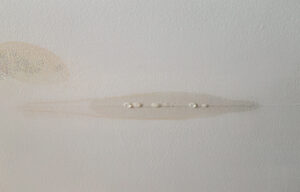
- Damp patches or water stains inside the loft
- Debris or pieces of tile found on the ground
- Daylight visible through the roof space
If you notice any of these signs, it’s worth arranging a professional roof inspection before the problem worsens.
Can A Single Slipped Tile Cause A Leak?
Yes.
Although one slipped tile may seem insignificant, it can expose the roof underlay and timber structure to rainwater. During heavy rainfall or windy conditions, water can be driven beneath the surrounding tiles, leading to damp, rot and internal water damage.
The longer a slipped tile is left, the greater the chance that neighbouring tiles will also become loose.
Should You Replace The Tile Or Repair The Roof?
The right solution depends on what caused the tile to slip.
If the issue is isolated and the surrounding roof remains in good condition, replacing or refixing the affected tile may be all that’s required.
However, if multiple tiles are slipping due to nail fatigue, failing battens or widespread deterioration, a more extensive repair may offer better long-term value.
An inspection helps identify whether the problem is localised or part of a wider issue affecting the roof.
Can You Prevent Roof Tiles From Slipping?
While no roof lasts forever, regular maintenance can reduce the risk of unexpected problems.
Good preventative maintenance includes:
- Arranging periodic roof inspections
- Checking the roof after severe weather
- Repairing damaged tiles promptly
- Replacing deteriorating mortar before it fails
- Keeping gutters clear to allow effective drainage
Addressing small issues early is often far more cost-effective than waiting until water damage develops.
When Should You Contact A Roofing Specialist?
You should seek professional advice if you notice:
- Multiple slipped tiles
- Tiles falling from the roof
- Persistent leaks
- Cracked ridge tiles
- Loose mortar
- Visible sagging or movement
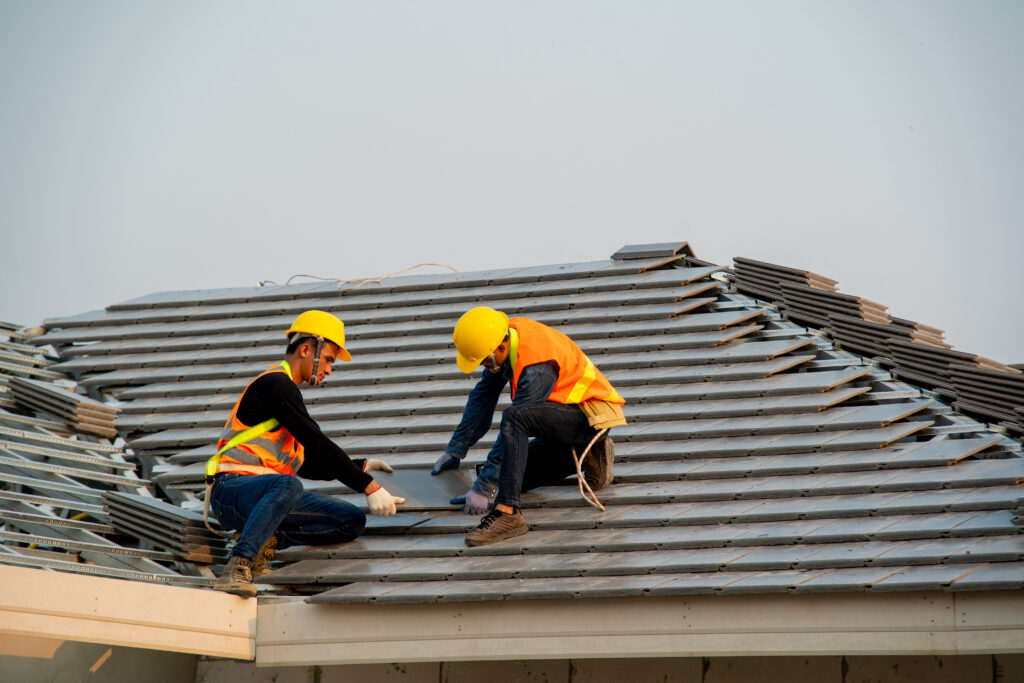
Working on a roof can be dangerous, and identifying the underlying cause often requires a close inspection. An experienced roofer can assess the condition of the roof safely and recommend the most appropriate repair.
Frequently Asked Questions
Is It Safe To Leave A Slipped Roof Tile?
No. Even one slipped tile can allow water into the roof structure and increase the likelihood of further tiles becoming displaced.
Can Roof Tiles Slip Without Bad Weather?
Yes. Ageing fixings, roof movement and natural deterioration can all cause tiles to slip, even during calm weather.
How Long Do Roof Tiles Usually Last?
The lifespan depends on the type of tile, installation quality and ongoing maintenance. While many roof tiles last for decades, the fixings and supporting components may require attention sooner.
Should I Try To Reposition A Roof Tile Myself?
It’s generally not recommended. Working at height carries significant risks, and incorrectly repositioning a tile may cause further damage or fail to address the underlying problem.
Concerned About Slipped Roof Tiles?
If you’ve spotted slipped, cracked or missing roof tiles, it’s worth having the roof inspected before a small issue develops into a more costly repair. Barrington’s Asphalt Roofing & Build provides expert advice and professional roofing repairs, helping homeowners understand the condition of their roof and the most appropriate solution.
Find out more about our tile roofing service.