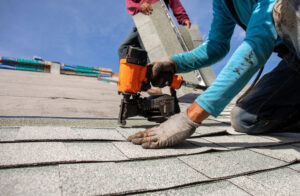
If you are researching repairing a flat roof, you are likely dealing with a leak, pooling water, or visible damage that needs urgent attention. Flat roofs are common across North London, especially on extensions, garages, bay windows, and commercial properties. While they are practical and cost-effective, they require specialist knowledge to repair properly.
In this in-depth guide, we explain the most common flat roof problems, realistic repair expectations, and how experienced local roofers approach long-lasting solutions. Whether you own a Victorian terrace in Hornsey or a modern extension in Crouch End, this article will help you make informed decisions.
What Are the Most Common Flat Roof Problems?
Flat roofs behave differently from pitched roofs. Because they have a minimal slope, water drainage is critical. Over time, small issues can quickly escalate.
Here are the most common problems we see:
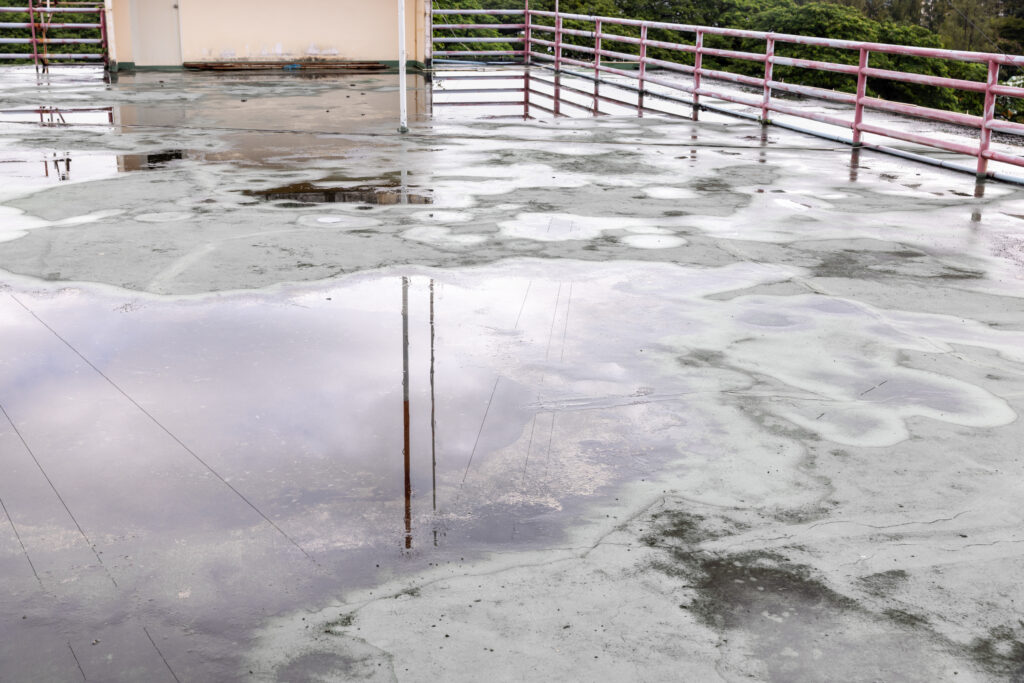
Why Does Water Pool on a Flat Roof?
Standing water, also known as ponding, occurs when drainage is inadequate or the roof surface has dipped. Persistent pooling can:
- Accelerate membrane deterioration
- Increase structural load
- Lead to internal damp patches
According to guidance from the UK Government Planning Portal, roofing structures must adequately discharge rainwater to prevent long term structural damage. Poor drainage is one of the leading causes of premature failure.
What Causes Flat Roof Leaks?
Leaks often develop due to:
- Cracked or blistered felt
- Failed joints in asphalt systems
- Damaged flashing around chimneys or walls
- Ageing materials reaching the end of life
Many Hornsey properties built in the mid to late twentieth century still have original flat roof coverings that are now decades old.
How Does Weather Affect Flat Roofs in North London?
Hornsey experiences heavy rainfall and temperature fluctuations throughout the year. Freeze-thaw cycles can widen small cracks, while UV exposure can degrade older felt membranes. Over time, this contributes to rising flat roof repair costs if issues are left unresolved.
How Much Does Flat Roof Repair Typically Cost?
One of the most searched concerns is affordability. While every roof is different, understanding cost factors helps you plan realistically.
What Influences Repair Costs?
- Extent of damage
- Size of the affected area
- Type of covering: felt, asphalt, or modern membranes
- Accessibility and scaffolding requirements
- Condition of the underlying decking
Minor patch repairs are usually far more affordable than full section replacements. However, repeated patching on an ageing roof can become a false economy.
When comparing options, consider the wider context of flat roof costs, including lifespan and future maintenance requirements. Investing in a durable repair today can reduce long-term expenditure.
For a tailored assessment, it is always best to arrange a professional inspection rather than relying on online averages.
Should You Repair or Replace a Flat Roof?
This is one of the most important decisions property owners face.
When Is Repair the Right Choice?
Repair is typically suitable when:
- Damage is localised
- The roof is structurally sound
- The covering is relatively modern
- There is no widespread rot beneath the surface
In these cases, targeted professional repair can extend lifespan significantly.
When Is Replacement More Sensible?
Replacement may be more cost-effective if:
- The roof is over 20 to 25 years old
- There are multiple recurring leaks
- Timber decking is compromised
- Large areas are blistered or cracked
Experienced roofers will provide honest guidance. A reputable contractor should explain both options clearly, outlining risks and long-term implications.
How Do Professional Roofers Approach Flat Roof Repairs?
Understanding the repair process helps build trust and transparency.
Step 1: Thorough Inspection
A professional assessment includes:
- Surface inspection
- Checking flashings and upstands
- Identifying signs of trapped moisture
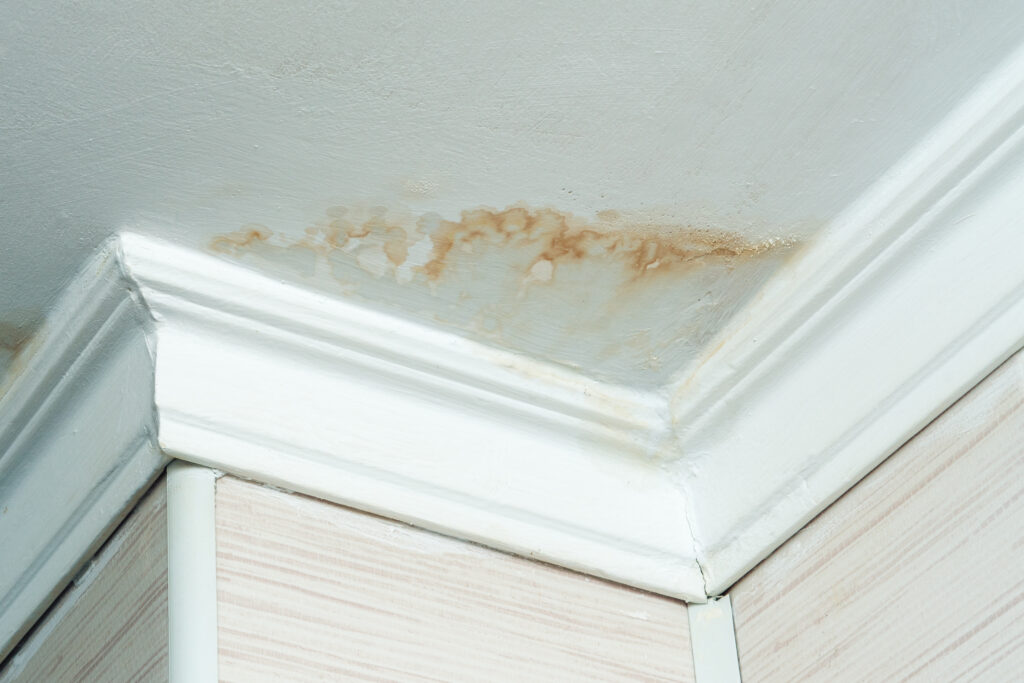
- Inspecting internal ceilings for water ingress
Infrared moisture detection may be used in complex cases.
Step 2: Preparing the Surface
Effective repairs require:
- Cleaning debris
- Drying affected areas
- Removing damaged material
Shortcuts at this stage often result in repeat failures.
Step 3: Applying Compatible Materials
Matching materials to the existing system is critical. For example:
- Asphalt repairs must bond correctly with the original layers
- Felt systems require a compatible torch on membranes
- Flashings must be sealed with precision
The Confederation of Roofing Contractors highlights the importance of correct material compatibility in maintaining roof performance.
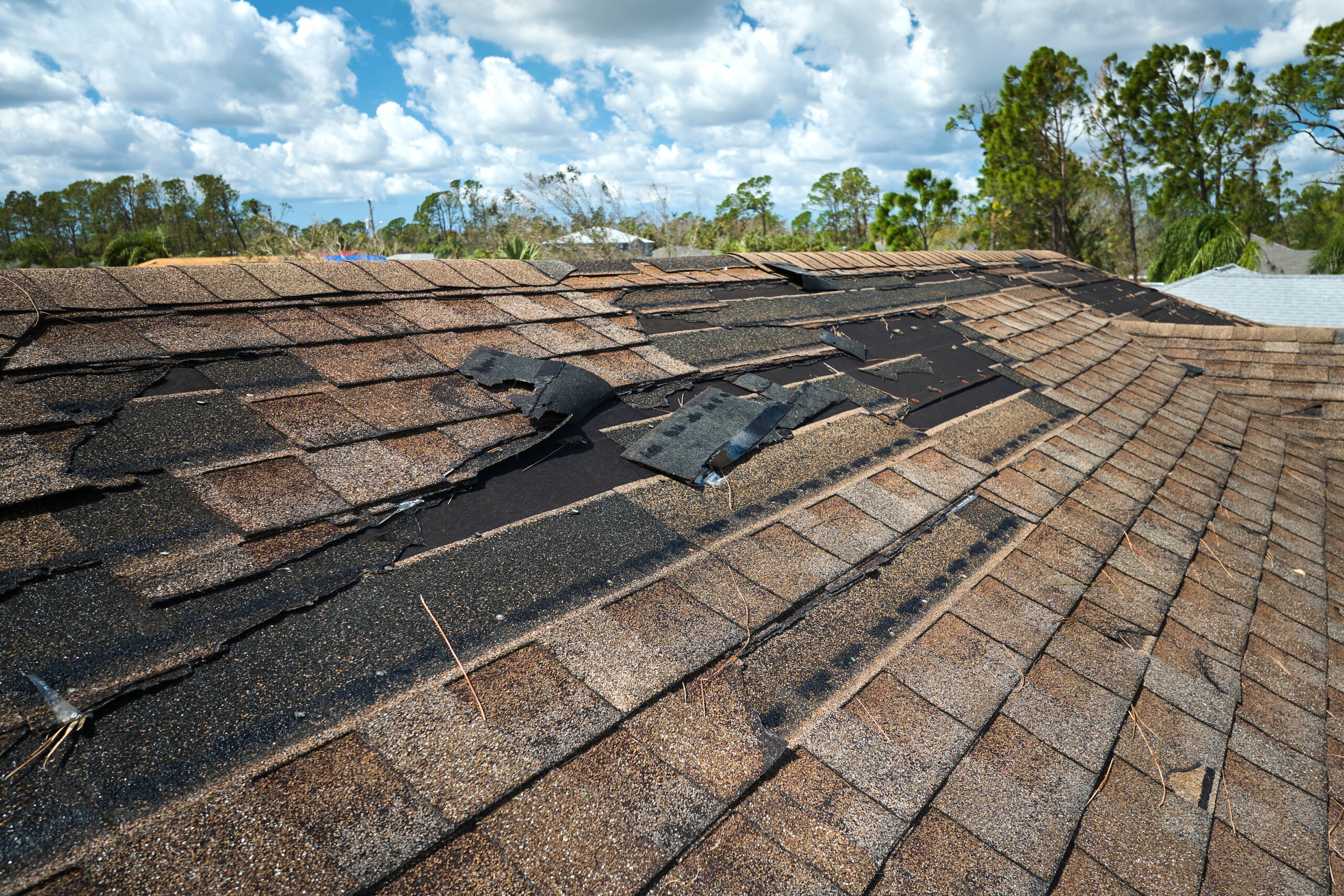
What Are the Risks of Delaying Flat Roof Repairs?
Ignoring early warning signs can result in:
- Internal ceiling damage
- Insulation saturation
- Timber rot
- Increased mould risk
- Escalating structural repairs
Small cracks can quickly turn into significant water ingress, particularly during prolonged rainfall.
Prompt professional action not only protects your property but also reduces overall disruption.
How Can You Prevent Future Flat Roof Problems?
Annual Inspections
Booking yearly inspections helps identify early wear before leaks develop.
Keeping Drainage Clear
Ensure gutters and outlets remain free from debris. Blocked drainage is a leading contributor to ponding.
Address Minor Issues Quickly
Small splits or lifted edges can usually be repaired efficiently if caught early.
Routine maintenance protects both residential and commercial buildings.
Why Choose a Local Specialist for Flat Roof Work?
Local expertise matters. Hornsey properties range from period terraces to modern developments, each presenting different structural characteristics.
A local roofing specialist understands:
- Common construction methods in North London
- Typical weather exposure patterns
- Planning considerations for extensions
- Access challenges in densely built areas
Choosing an experienced, fully insured roofing company with decades of hands-on work ensures higher quality outcomes and accountability.
When Should You Call a Professional?
Contact a roofing specialist immediately if you notice:
- Persistent leaks
- Sagging areas
- Bubbling or blistering surfaces
- Damp smells indoors
- Water staining on ceilings
Early action reduces risk and protects property value.
If you suspect your roof requires professional attention, arranging a prompt inspection is the safest course of action.